
WHAT IS A BESS?

Battery energy storage systems, explained


A battery energy storage system, or BESS, stores electricity so it can be used at a different time. It can charge from solar panels or other on-site generation, or from the grid during selected lower-cost periods, then discharge when demand, prices or operational needs make stored energy more valuable.

What will you learn from this guide?

  • How a BESS works
  • Power and capacity
  • Types of BESS
  • What a BESS is used for
  • BESS safety
  • Frequently asked questions
HOW A BESS WORKS

What is inside a battery energy storage system?

A BESS is more than a battery. Most systems combine four main parts, with thermal management and an enclosure that keep the system within its operating limits.
Battery modules

Hold the stored energy. AlphaESS systems use lithium iron phosphate (LFP) chemistry.
Inverter or power conversion system

Converts between the DC stored in the battery and the AC used by the building or grid.
Battery management system

Monitors cell voltage, temperature and state of charge, and applies protection controls.
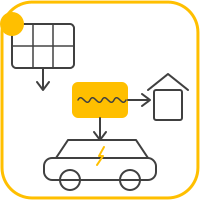
Energy management

Decides when to charge and discharge, based on the operating strategy, tariff or partner service.

AlphaESS product range from home batteries to commercial and utility-scale storage
POWER AND CAPACITY

The two numbers that matter

Power (kW) is how much electricity the system can supply at one time. Capacity (kWh) is how much energy it can store.

A larger battery stores more energy, but it does not increase the power available at any one moment, so both need to be sized together.

TYPES OF BESS

From homes to the grid

BESS ranges from a single battery in a home to containerised systems serving a farm, a factory or the electricity network.

TypeTypical useAlphaESS UK examples
Home battery storageStore solar, use smart tariffs and add backup for selected circuitsSMILE-G3 battery modules from 4.0 kWh to 10.1 kWh per module
Commercial and industrial (C&I)Peak demand management, on-site solar, tariff periods and resilienceStaX M29.9/M50, STORION-G3-H30/H50 and STORION-LC-TB125
Utility-scaleRenewable integration, grid services, microgrids and large energy usersAlphaESS utility-scale storage platforms
WHAT A BESS IS USED FOR

What can a BESS do?

The value of a BESS depends on how it is designed and operated. Common uses include:

  • Making more of on-site solar generation
  • Managing peak site demand
  • Charging around time-of-use and dynamic tariffs
  • Backup for priority loads, where designed in
  • Grid flexibility for homes through Axle Energy
  • Optimisation for businesses through Capture

Actual savings depend on consumption, generation, tariff or contract, operating strategy, project costs and system performance.

BESS SAFETY

Is a BESS safe?

AlphaESS systems use lithium iron phosphate battery chemistry, with battery monitoring, thermal management, alarms and automatic protection controls.

Safe operation also depends on correct site selection, electrical design, fire strategy, installation, commissioning, monitoring and maintenance by qualified professionals.

Supported by AlphaESS UK

AlphaESS UK supports its authorised installer network with product training, technical guidance, commissioning assistance and ongoing support.

BESS FAQs

Frequently asked questions

Quick answers to common questions about battery energy storage systems.

Is a BESS the same as a home battery?

A home battery is one type of BESS. The term is used more often for commercial, industrial and grid-scale systems.

Do I need solar panels for a BESS?

No. A suitable system can charge from the grid and operate without solar. It can also be integrated with compatible new or existing solar PV, wind or other on-site generation.

How do I size a BESS?

For a business, half-hourly electricity data, tariff details and information on generation and the grid connection are normally enough for an initial assessment. For a home, an authorised installer will consider consumption, solar generation, tariff and backup priorities.