Utility Scale Solutions
Storage infrastructure for a more flexible energy system

AlphaESS Utility Scale Solutions

Storage infrastructure for a more flexible energy system

Large energy projects need storage that can respond to changing generation, demand, network constraints and commercial priorities.

AlphaESS utility-scale battery energy storage platforms combine high-capacity storage, thermal management, system control and connected monitoring within scalable project architectures.

Start with the project objective, connection position and operating strategy. Product and system selection follow from those requirements.
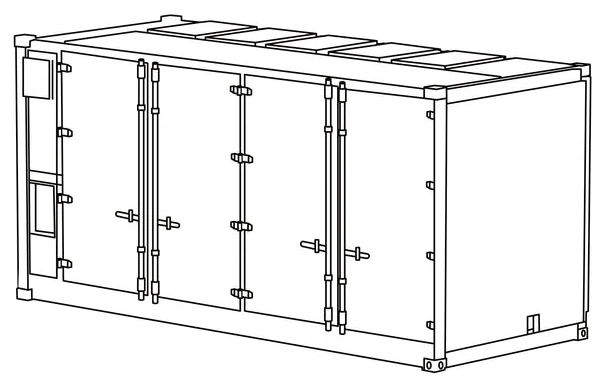
Containerised battery storage outline

Storage designed around the role it needs to perform
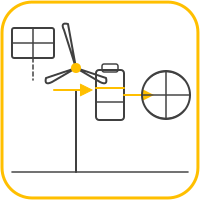
Renewable integration

Store electricity from solar or wind, then dispatch it in line with network, market or site requirements.

Microgrids

Coordinate generation, storage, loads and generator support within a controlled local energy system.

Grid services

Configure eligible systems around defined network and market services, subject to connection conditions and qualification.

Infrastructure and estates

Develop storage around transport, public-sector, multi-building or strategic infrastructure energy needs.

Large energy users

Use site-scale storage to manage major loads, support energy optimisation and strengthen operational flexibility.

Capacity growth

Use modular or containerised platforms that can be developed around the power and energy requirements of each phase.

Built around the project, not a standard package

A utility scale battery project is shaped by its connection point, operating strategy, duration, revenue model, site conditions and long-term service requirements. The product should be selected only after those requirements are understood.
  1. 01

    Define the commercial objective, operating strategy and target scale.

  2. 02

    Review generation, demand, land, connection status and site constraints.

  3. 03

    Develop the required power, capacity, duration, coupling and controls.

  4. 04

    Select the appropriate platform and outline the system architecture.

  5. 05

    Confirm grid, planning, safety, civil, fire, acoustic and environmental requirements.

  6. 06

    Agree delivery responsibilities, commissioning, monitoring, warranty and lifecycle support.

Choose the platform

AlphaESS ASTER 250/500 containerised battery platform

ASTER TB250/TB500

A liquid-cooled containerised platform for projects requiring 250 kW to 500 kW output and 705 kWh to 1,410 kWh capacity, subject to UK product approval.
AlphaESS ASTER 5000 20-foot liquid-cooled container

ASTER TB5000

A 20-foot liquid-cooled container platform offering approximately 5 MWh of nominal capacity for larger project architectures, subject to UK availability.

Technology that works as one controlled system
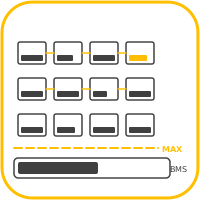
Battery management

Monitor operating conditions, balance cells and apply defined protective thresholds.
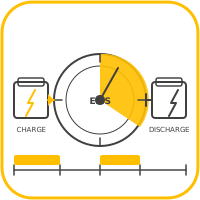
Energy management

Coordinate charging, discharging and operating modes around the project strategy.
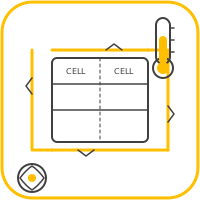
Thermal management

Maintain operating temperatures through product-specific liquid cooling.
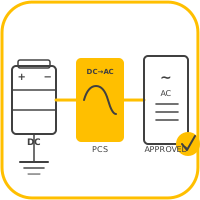
Power conversion

Connect battery output to the approved AC architecture and connection requirements.
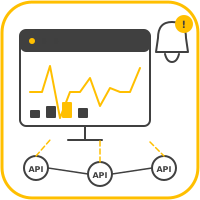
Connected monitoring

Provide visibility, alarms and approved data access through the relevant platform and interfaces.
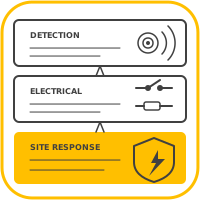
Layered protection

Combine detection, electrical protection and product-specific response measures within the site design.

Safety and compliance are project requirements

Product-level testing is only one part of a utility scale safety case. Siting, separation, access, drainage, fire strategy, ventilation, emergency planning, electrical protection, cybersecurity, commissioning and operating procedures must be developed for the project and agreed with the relevant stakeholders.

Featured Case Studies

Our case studies highlight the transformative impact of our products across the UK. From homes to businesses, we're powering a greener future.
Cutting electricity costs through smart solar generation and battery load shifting with AlphaESS SMILE-G3-S8 inverter and 28.8 kWh of battery storage.
Discover how Immersa and Natural Generation delivered one of the UK’s first AlphaESS StaX-M50 commercial battery storage systems.
Sustainable Renewable Energy Solutions for Healthcare alphaESS, Installation and Commissioning of AlphaESS STORION G3-H50 at Pendleside Hospice, Burnley
First dual H50-Outdoor parallel iInstallation by Solar Power Provider and commissioned by the AphaESS UK team at TH Flower & Sons, Commercial Dairy Farm.

    What to include in an initial enquiry

    • Project location, development stage and target programme.
    • Required type, power, energy capacity and duration, if known.
    • Grid connection status and available network information.
    • Intended applications, market route or operating strategy.
    • Site plan, access, planning and environmental constraints.
    • Expected ownership, EPC and operational model.

    Find an installer location pin
    FAQs
    What is a utility-scale battery energy storage system?
    A large battery system designed to store and dispatch electricity at project scale. It may support renewable generation, network services, large loads, energy trading or microgrid operation, depending on its connection and control strategy.
    How are power and capacity selected?
    Power determines how quickly the system can charge or discharge. Energy capacity determines how much electricity it can store. Both are developed from the project use case, required duration, grid connection and commercial model.
    Can battery storage work with solar and wind?
    Yes. The final AC or DC architecture, controls and grid compliance approach must be designed around the generation asset and connection point.
    Can one project provide several energy services?
    Potentially. Each service has technical, contractual and market requirements that must be assessed before it is included in the operating strategy.
    Does AlphaESS UK provide a complete turnkey project?
    The delivery route is project-led. The responsibilities of AlphaESS UK, the developer, EPC contractor, system integrator and service partners are confirmed for each opportunity.